!Side Menu Logo

!Header Logo
Senior Pet Care: Helping Aging Pets Thrive in Pooler
Have you noticed your furry friend slowing down a bit, sleeping more, or taking a little longer to get up from their favorite spot? At Westside Animal Hospital, your trusted Pooler, GA veterinary clinic and animal hospital, we help pet owners navigate every stage of life, including the important transition into senior pet care. Aging is a natural part of life, but with the right support, your four-legged buddy can continue to enjoy comfort, companionship, and quality time with you.
As our pets get older, their needs can shift in ways that sometimes sneak up on us. In this article, we’ll chat about what to expect as your furry friend enters their senior years, share some practical tips for keeping them happy and healthy, and talk about how a little extra attention can help your pet stay comfy and content well into their golden years.
When Is a Pet Considered a Senior?
Pets don’t all age at the same pace—some pups and kitties start showing their silver whiskers sooner than others. As a general rule, dogs are considered seniors around age seven, while most cats hit their golden years closer to nine or ten.
Of course, age is just a number—some pets act like puppies or kittens well into their senior years, while others start to slow down a bit earlier. The trick is to keep an eye out for changes in how your furry friend moves, acts, and feels.
Spotting those early signs of aging means you can tweak your care routine and help your pet stay happy and healthy for as long as possible.
Common Changes in Aging Pets
As your furry pal gets older, you might notice some slow and steady changes. Most of these are perfectly normal, but sometimes they’re your pet’s way of asking for a little extra help.
Physical changes
Senior pets may experience:
- Reduced mobility or stiffness
- Changes in weight or muscle tone
- Dullness in coat or increased shedding
- Decreased vision or hearing
- Slower recovery after activity
All of these changes can affect how your pet gets around, plays, and even how they greet you at the door.
Behavioral changes
You might also notice your dog or cat acting a little differently, like:
- Sleeping more than usual
- Reduced interest in play
- Increased vocalization, especially at night
- Changes in social interaction
- Confusion or disorientation
Some of these changes are just part of getting older, but others can be a sign that something’s up and needs a closer look.
Aging Pet Health Tips for Everyday Care
Helping your pet age gracefully doesn’t mean you have to turn your whole routine upside down. Sometimes, a few small tweaks can make a big difference in how comfy and happy your furry friend feels.
Maintain a consistent routine
Senior pets love a good routine—regular meals, gentle exercise, and predictable nap times help keep stress low and tails wagging (or purring).
Adjust activity levels
Your furry bestie might not be running marathons anymore, but regular movement is still key. Think gentle walks and easy play sessions to keep those joints limber and spirits high.
Monitor weight and nutrition
Keeping your pet at a healthy weight is extra important as they get older. Carrying a few extra pounds can be tough on aging joints, while sudden weight loss can be a red flag that something’s not quite right.
If you’re not sure what’s best for your senior pet’s diet, just ask your vet. We’re always happy to help you find the right menu for your furry friend.
Senior Dog Care Pooler Pet Owners Should Know
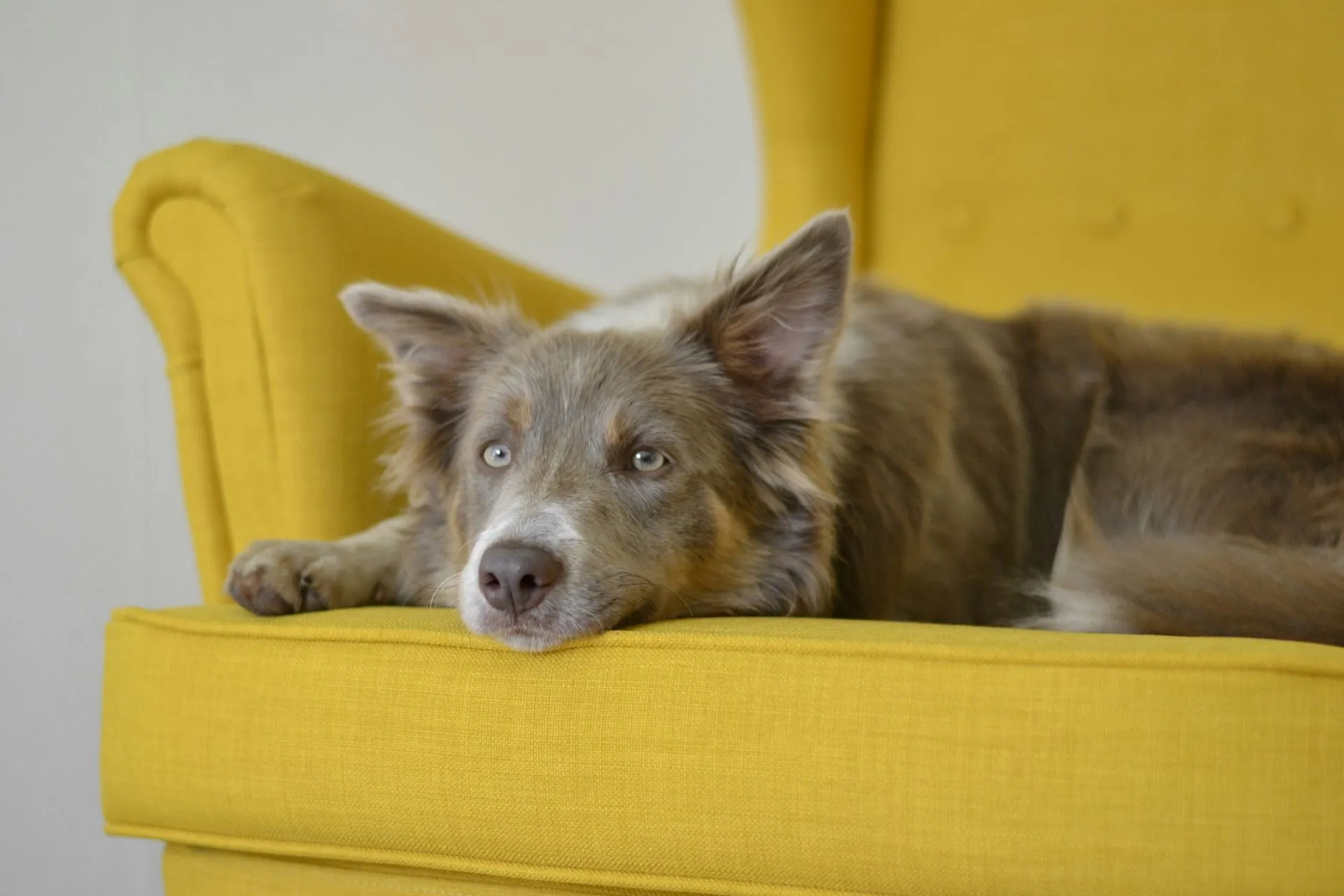
Dogs often start showing their age in how they move. You may notice a little more stiffness or a slower trot to the food bowl. Helping your pup through these changes can keep their tail wagging and their quality of life high.
Mobility and joint support
Older dogs can get a bit creaky, especially after a good nap. Soft beds, easy access to their favorite hangouts, and steering clear of slippery floors can help your canine buddy stay comfy.
Monitoring behavior and mood
If your dog seems a little grumpier or more confused than usual, it could be their way of telling you something’s up. Catching these changes early means you can help them feel better, faster.
Regular veterinary checkups
Regular checkups are extra important for senior dogs. These visits help us spot changes early and make sure your pup gets the care they need to keep enjoying life.
Senior Cat Health Care: Supporting Your Feline Friend
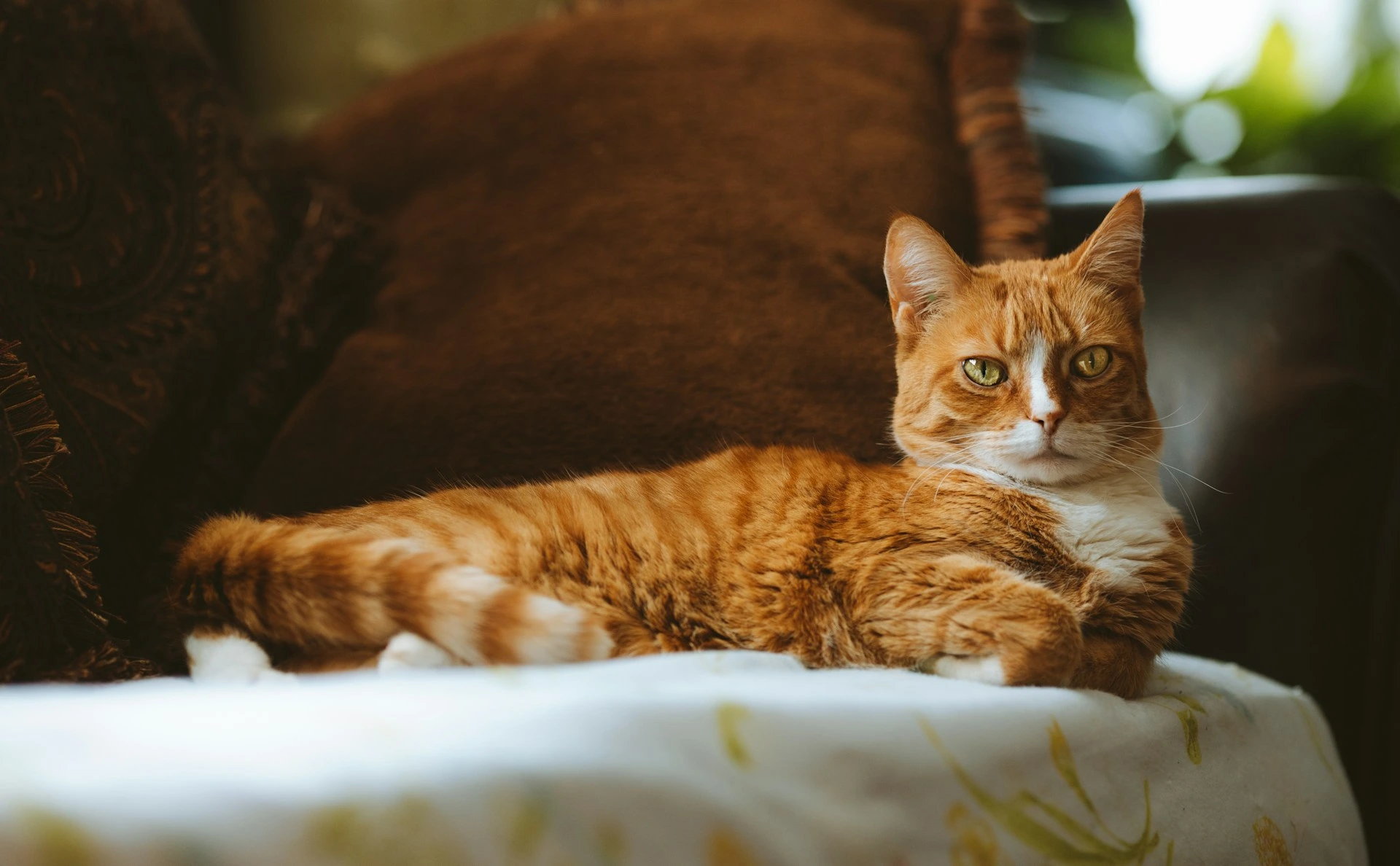
Cats are masters at pretending everything’s fine, even when it’s not. That’s why keeping a close eye on your senior kitty is so important. They might look perfectly content while quietly dealing with the aches and pains of aging.
Encouraging activity
A little playtime goes a long way for older cats. Interactive toys and gentle games can keep your kitty moving and their mind sharp, even if it’s just a quick pounce before another nap.
Monitoring subtle changes
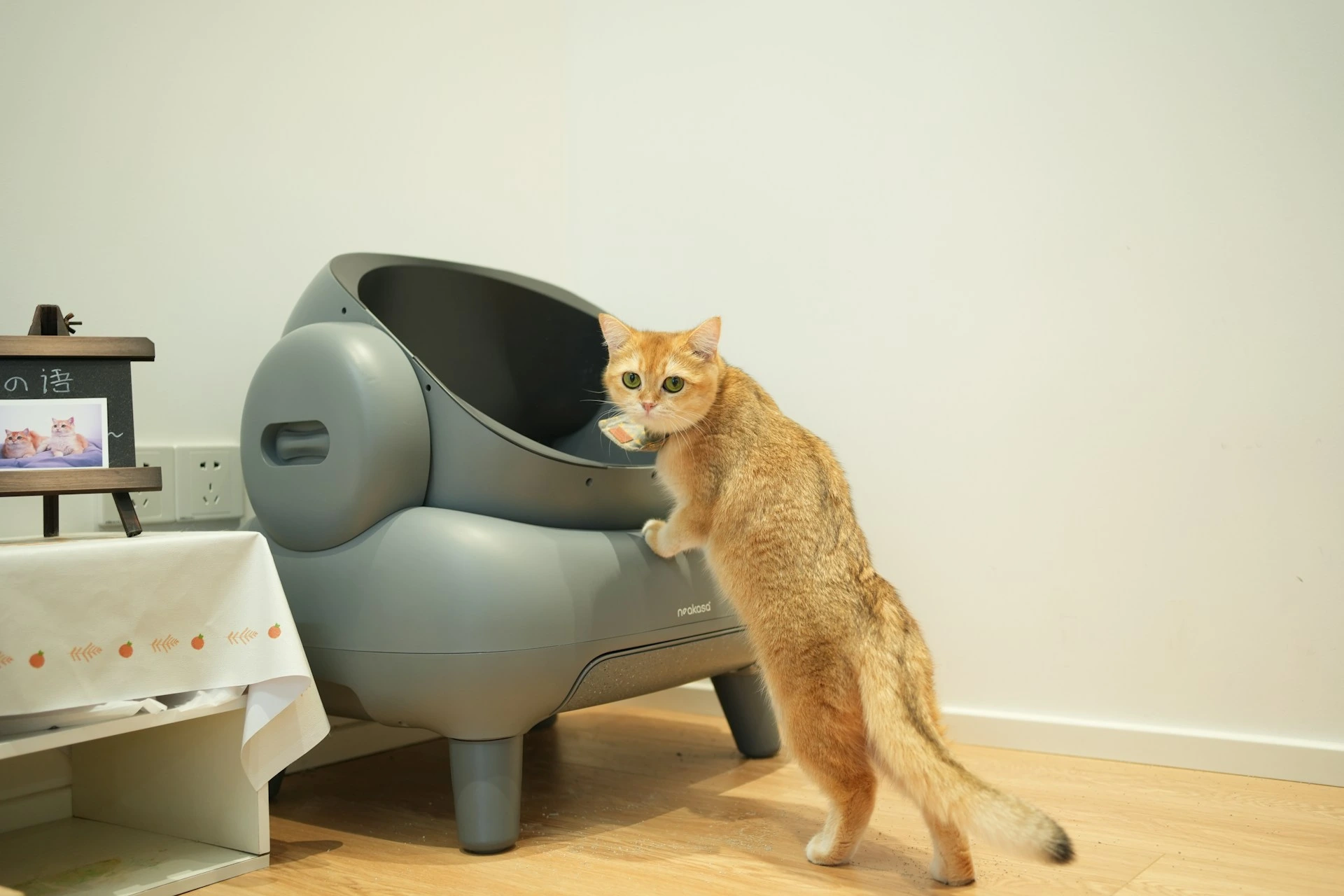
Keep an eye out for changes in how your cat grooms, eats, or uses the litter box. Sometimes, these little shifts are your kitty’s way of asking for help.
Providing comfort at home
Make sure your senior cat has cozy spots to rest, easy access to food and water, and a calm environment. A little extra comfort goes a long way for our aging feline friends.
Geriatric Pet Wellness: Why It Matters
Geriatric pet wellness is all about keeping your pet comfy, managing those age-related changes, and making sure they enjoy every day to the fullest. It’s not just about treating illness—it’s about helping your furry friend live their best life, one belly rub at a time.
Regular vet visits are a big part of the plan. These checkups help us catch any changes early and tweak your pet’s care so they stay as happy and healthy as possible.
Here at Westside Animal Hospital, we know every pet is unique—especially as they age. We tailor our care to fit your furry friend’s needs, every step of the way.
When to Seek Veterinary Care
It is important to contact your veterinary clinic if you notice changes such as:
- Difficulty walking or standing
- Significant weight changes
- Loss of appetite
- Increased thirst or urination
- Confusion or unusual behavior
Catching problems early means we can help your pet feel better sooner—and keep those tails wagging and whiskers twitching.
Helping Your Pet Enjoy Their Golden Years
Senior pets bring a unique kind of companionship. They may move a little slower, but their bond with you often grows even stronger.
Helping your aging pet thrive is all about tuning in to their needs, making a few simple changes, and giving them a little extra love. With the right care, your furry friend can keep enjoying life—and all the snuggles that come with it.
Read more about common health issues in senior dogs at the AKC site here. Read about the top 10 most common health issues in older cats in PetMD’s article.
FAQ
How often should senior pets see the vet?
Senior pets benefit from more frequent veterinary visits. Regular checkups help monitor health changes and catch potential concerns early.
What are common health issues in older pets?
Common issues include joint stiffness, changes in weight, dental concerns, and reduced sensory function. Early detection helps manage these conditions effectively.
How can I keep my senior pet comfortable?
Providing soft bedding, maintaining a consistent routine, and adjusting activity levels can help improve comfort. Regular veterinary care also plays a key role.
Do senior pets need different diets?
Many senior pets benefit from adjusted nutrition. Your veterinarian can recommend dietary changes based on your pet’s specific needs.
Schedule an Appointment at Our Pooler, GA Veterinary Clinic
Caring for an aging pet is a meaningful journey, and you do not have to navigate it alone. If you are focusing on senior pet care in Pooler GA, the team at Westside Animal Hospital is here to support you and your furry friend every step of the way.
If you have been searching for a vet near me in Pooler, GA, our veterinary clinic is ready to help you provide the best care possible for your pet’s golden years. Call today to schedule an appointment and give your companion the comfort and care they deserve.
This blog is meant to be informational only. Always consult with your veterinarian for the right medical advice, diagnosis, or treatment plan for your pet and follow their guidance.
Do you want to learn more about Westside Animal Hospital, your Pooler, GA animal clinic? Check out our Service pages for an overview of our pet hospital. We offer many different services, including Wellness and Vaccinations, Nutrition and Weight Management, Boarding and Daycare, and Laser Surgery. We’re also proud to be a Fear-Free vet clinic!
Hurricane Prep for Pets in Savannah: Stay Ready
Cat Behavior Problems: Litter Box Issues Explained
Flea and Tick Prevention in Savannah’s Warm Climate
Gerbil Care 101: A Beginner’s Guide for Pet Owners
Destructive Dog Behavior: Causes and Prevention Tips
Guinea Pig Care Guide: Healthy Habits for Small Pets

Pool Safety for Dogs: Savannah Swimming Tips
Why Is My Cat Hiding? Behavior Changes Explained
Summer Pet Safety in Georgia: Heat Risks to Know