!Side Menu Logo

!Header Logo
Separation Anxiety in Dogs: Pooler Owner Solutions
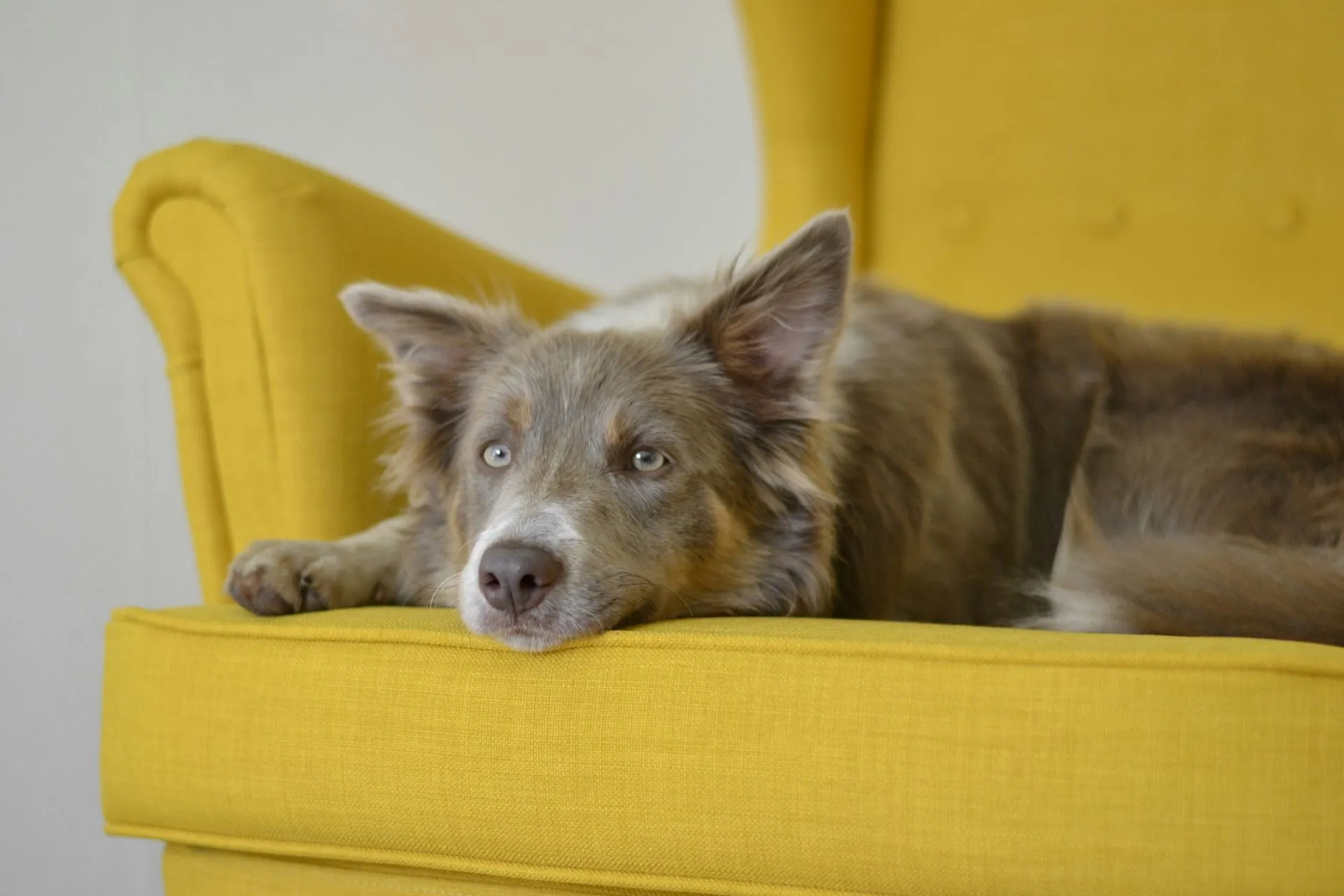
Does your pup follow you from room to room, panic when you grab your keys, or act out when you leave the house? At Westside Animal Hospital, your trusted Pooler, GA veterinary clinic and animal hospital, we frequently help pet owners manage separation anxiety dogs Pooler GA experience. This condition is more common than many people realize, and it can be stressful for both you and your canine companion.
If your pup has a hard time being left alone, you’re definitely not the only one facing this challenge. In this guide, we’ll talk about what separation anxiety looks like, how to spot the signs, and some tried-and-true tips to help your dog feel more comfortable when you’re away. We’ll also chat about why this happens and what you can do to help your canine companion feel safe and secure.
What Is Separation Anxiety in Dogs?
Separation anxiety happens when a dog feels really stressed or upset about being away from their favorite human. Some pups might just feel a bit uneasy, while others can get so worked up that it affects their behavior and overall happiness.
This isn’t just a training hiccup. Separation anxiety is an emotional response—your dog is reacting to what feels like a big loss of security. Knowing this can help you approach things with a little extra patience and the right game plan.
Dog Anxiety Symptoms Pooler Pet Owners Should Watch
Spotting the signs of anxiety early can make a big difference for your pup. Some clues are pretty obvious, while others are sneakier and easy to miss.
Common signs of separation anxiety
Your pup may show:
- Excessive barking or howling when left alone
- Destructive behavior, especially near doors or windows
- Pacing or restlessness
- Attempts to escape confined areas
- Accidents in the house despite being trained
- Drooling or panting more than usual
Remember, your dog isn’t being naughty on purpose—these behaviors are just their way of saying, ‘Help! I’m stressed out!’
Subtle canine stress behavior
Some dogs show quieter forms of canine stress behavior, such as:
- Becoming unusually clingy
- Following you constantly
- Showing anxiety when you prepare to leave
- Reduced appetite when alone
Catching these early signs is important, since they often pop up before your dog starts showing bigger, more disruptive behaviors.
Why Separation Anxiety Dogs Pooler GA Experience Happens
There’s usually not just one reason for separation anxiety. It often comes from a mix of things—your dog’s environment, daily routine, and emotional needs all play a part.
Changes in routine
Dogs are creatures of habit, and they love a good routine. Sudden changes, like a new work schedule or spending more time away, can really throw them for a loop.
Major life transitions
Big life changes—like moving, welcoming a new family member, or saying goodbye to one—can all shake up your dog’s sense of security.
Lack of independence
If your pup is used to having you around all the time, being left alone can feel pretty overwhelming. They might not have had the chance to build up their confidence yet.
Previous experiences
Some dogs carry a bit of baggage from their past—especially if they’ve been rehomed or had a lot of changes in their lives. This can make them more prone to anxiety.
Leaving Dog Alone Tips That Make a Difference
Helping your dog feel okay about being alone takes a little time and a lot of consistency. Here are some tips to help your pup relax and build up their confidence.
Start with short separations
Start by leaving your dog alone for just a few minutes, then slowly work your way up. This way, your pup can get used to the idea without feeling overwhelmed.
Keep departures low-key
Try not to make a big fuss when you leave or come home. Calm, routine goodbyes help keep things low-key and less stressful for your dog.
Provide engaging distractions
Leave out some safe toys or fun activities to keep your dog busy while you’re gone. A stuffed Kong or puzzle toy can work wonders!
Establish a predictable routine
Keeping a regular schedule for meals, walks, and playtime helps your dog know what to expect and feel more secure.
Anxious Dog Solutions That Support Long-Term Change
Helping your dog with separation anxiety usually takes a mix of strategies, tailored to what works best for your furry friend.
Create a safe space
Set up a cozy spot where your dog can chill out while you’re gone. A favorite bed and something that smells like you can go a long way toward helping your pup feel safe.
Gradual desensitization
Practice picking up your keys or putting on your shoes without actually leaving. This helps your dog learn that these things don’t always mean you’re heading out for hours.
Reinforce calm behavior
Give your dog lots of praise or a treat when they stay calm during separations or when you come back. Positive reinforcement helps boost their confidence.
Increase physical and mental activity
Make sure your pup gets plenty of exercise and mental stimulation. A tired dog is usually a happy, relaxed dog when it’s time for some solo time.
How Your Vet Helps With Separation Anxiety
At Westside Animal Hospital, we look at the whole picture when it comes to helping dogs with separation anxiety. Your vet will check out your dog’s behavior, health, and home life to find the best plan for your pup.
Sometimes, health issues or other stressors can add to your dog’s anxiety. Your vet can help spot these and guide you toward the right solutions.
When to Seek Help for Canine Stress Behavior
If your dog’s anxiety is getting worse or just isn’t improving, don’t hesitate to reach out for help. The sooner you get support, the easier it is to turn things around.
Signs that it is time to consult your veterinarian include:
- Destructive behavior that leads to injury
- Attempts to escape that could be dangerous
- Ongoing distress despite training efforts
- Significant changes in appetite or sleep
Your veterinary team is here to help you and your pup find a plan that works for both of you.
Why Early Intervention Matters
Tackling separation anxiety early helps prevent bigger stress and behavior problems down the road. The longer it goes on, the harder it can be to change.
Helping your furry bestie feel safe and confident means a happier pup and a more peaceful home for everyone.
The ASPCA has a piece on canine separation anxiety on their site. PetMD also has a good piece on separation anxiety in dogs.
FAQ
What causes separation anxiety in dogs?
Separation anxiety can be caused by changes in routine, environment, or emotional attachment. Some dogs are more prone to anxiety due to past experiences.
Can separation anxiety be treated?
Yes. With consistent training, environmental adjustments, and veterinary guidance, many dogs show improvement over time.
How long does it take to improve separation anxiety?
Improvement varies depending on the dog and the severity of the anxiety. Consistency and patience are key to long-term success.
Should I ignore my dog when leaving?
Keeping departures calm and low-key is helpful. Avoid creating excitement or anxiety around leaving.
Schedule an Appointment at Our Pooler, GA Veterinary Clinic
If your canine companion is struggling with the separation anxiety dogs experience, you do not have to manage it alone. At Westside Animal Hospital, we provide guidance, support, and effective anxious dog solutions to help your pup feel more secure.
If you have been searching for a vet near me in Pooler, GA, our veterinary clinic is ready to help you and your furry friend find a path toward calmer, more confident behavior. Call today to schedule an appointment and take the next step in supporting your dog’s well-being.
This blog is meant to be informational only. Always consult with your veterinarian for the right medical advice, diagnosis, or treatment plan for your pet and follow their guidance.
Do you want to learn more about Westside Animal Hospital, your Pooler, GA animal clinic? Check out our Service pages for an overview of our pet hospital. We offer many different services, including Wellness and Vaccinations, Nutrition and Weight Management, Boarding and Daycare, and Laser Surgery. We’re also proud to be a Fear-Free vet clinic!
Hurricane Prep for Pets in Savannah: Stay Ready
Cat Behavior Problems: Litter Box Issues Explained
Flea and Tick Prevention in Savannah’s Warm Climate
Gerbil Care 101: A Beginner’s Guide for Pet Owners
Destructive Dog Behavior: Causes and Prevention Tips
Guinea Pig Care Guide: Healthy Habits for Small Pets
Pool Safety for Dogs: Savannah Swimming Tips
Why Is My Cat Hiding? Behavior Changes Explained
Summer Pet Safety in Georgia: Heat Risks to Know