!Side Menu Logo

!Header Logo
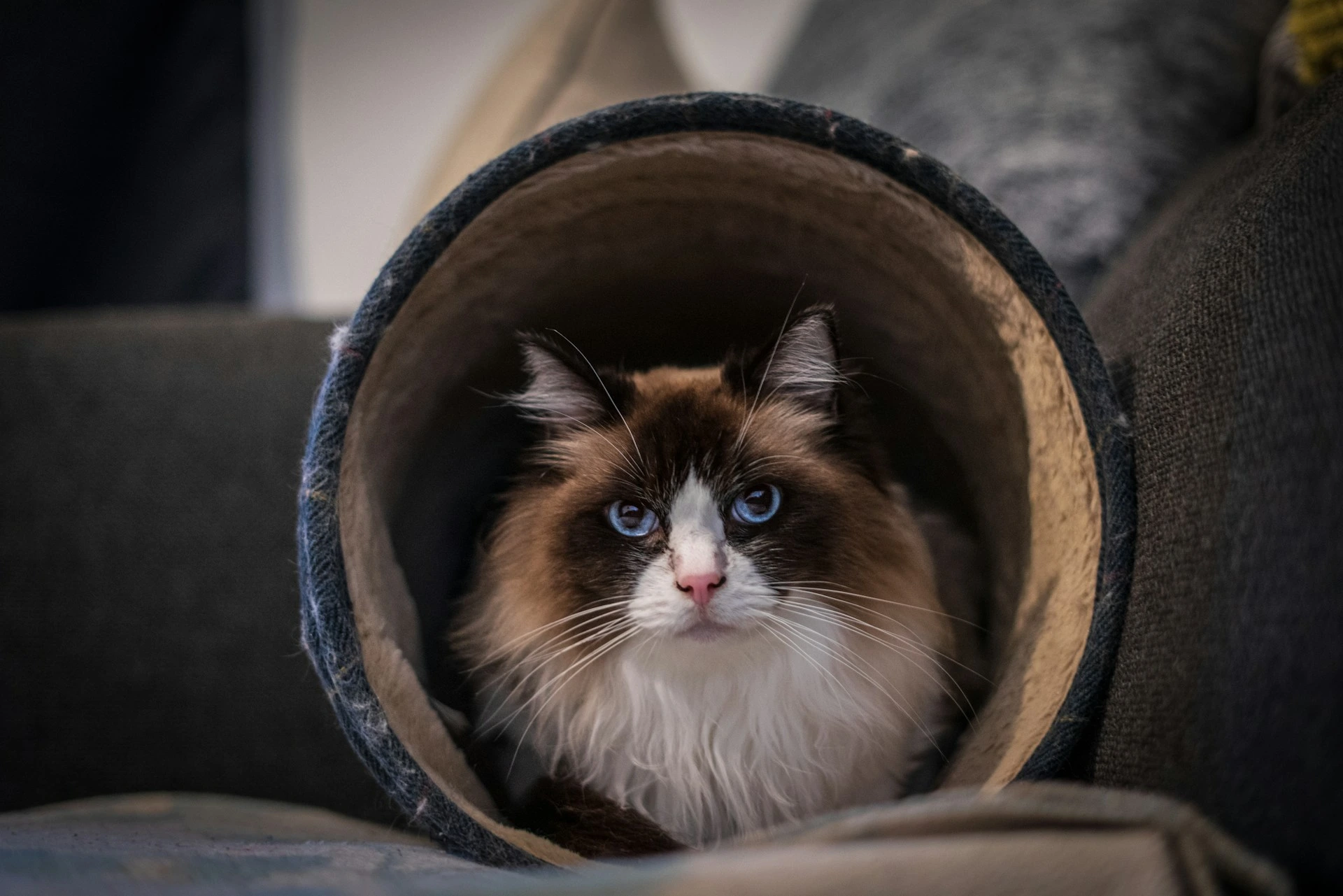
Why Is My Cat Hiding? Behavior Changes Explained
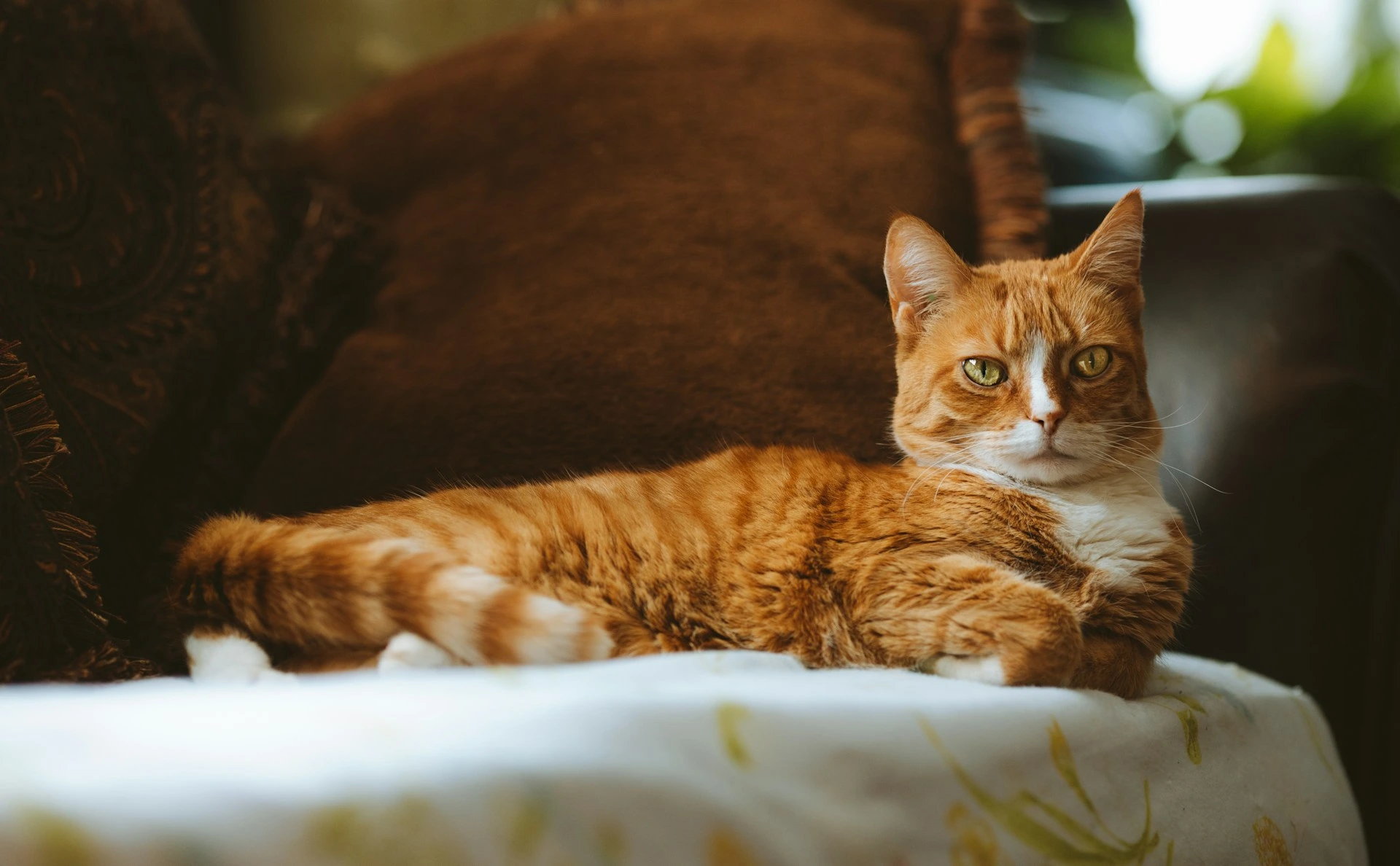
Has your feline friend suddenly disappeared under the bed, behind the couch, or into a quiet corner you did not even know existed? At Westside Animal Hospital, your trusted Pooler, GA veterinary clinic and animal hospital, we often help pet owners understand cat hiding behavior Pooler GA and what it may mean for their pet’s health and well-being. While cats are naturally more independent, sudden or prolonged hiding can sometimes signal something deeper.
If you’ve been scratching your head about why your cat is suddenly playing hide-and-seek, you’re in good company. In this article, we’ll chat about why cats hide, what signs of stress to watch for, and how to tell if your feline friend might be feeling anxious or under the weather. Plus, I’ll share some tips on how to help your kitty feel safe and sound again.
Is It Normal for Cats to Hide?
Cats have a real knack for finding the coziest, most tucked-away spots in the house. It’s perfectly normal for your kitty to seek out quiet corners where they can feel safe and keep an eye on things. Sometimes, hiding is just your cat’s way of catching a break from the hustle and bustle—or maybe just from the vacuum cleaner.
That said, there’s a difference between normal cat hideouts and hiding that could mean trouble. If your feline pal is spending more time out of sight than usual, or you notice other changes, it’s time to put on your detective hat.
Why Cats Hide Suddenly: Common Causes
Figuring out why your cat is suddenly channeling their inner ninja helps you know if they’re just catching some Z’s or if something more serious is going on.
Stress and Environmental Changes
Stress is one of the top reasons cats go into hiding. Our feline friends are sensitive souls, and even small changes around the house can throw them for a loop.
Common stress triggers
Your feline pal may hide due to:
- Moving to a new home
- New pets or people in the household
- Changes in routine
- Loud noises or unfamiliar sounds
Even something as simple as moving the couch can make your kitty feel a bit unsure, so don’t be surprised if they retreat to their favorite hidey-hole for a while.
Cat Stress Signs Pooler Pet Owners Should Watch
Hiding is often just one piece of the puzzle. Spotting other signs of stress can help you figure out what’s really going on with your furry friend.
Behavioral signs of stress
Look for:
- Reduced appetite
- Increased grooming or over-grooming
- Avoiding interaction
- Increased vocalization
- Changes in litter box habits
If you’re seeing these signs along with hiding, your cat might be feeling a bit overwhelmed or anxious.
Illness or Physical Discomfort
Cats are experts at hiding pain—after all, in the wild, showing weakness isn’t exactly a good survival strategy. So, they tend to keep any aches and pains under wraps.
When hiding may signal a health issue
If your kitty is hiding more than usual and you notice changes in their appetite, grooming, or energy, it could be a sign that something medical is going on.
Common issues that may lead to hiding include:
- Digestive discomfort
- Dental problems
- Joint pain
- General illness
A quick trip to your vet is the best way to get to the bottom of things and make sure your feline friend is feeling their best.
Feline Behavior Changes Linked to Aging
As our feline pals get older, you might notice them becoming a bit more reserved, snoozing more, or seeking out quiet spots more often.
Understanding age-related changes
Some of these changes are just part of getting older, but they can also mean your kitty isn’t feeling quite right. Keeping an eye on your senior cat’s habits helps you know when they might need a little extra TLC.
Anxious Cat Behavior and Personality Factors
Just like people, some cats are naturally more shy or sensitive than others. Your kitty’s personality plays a big role in how they handle stress or changes at home.
Signs of an anxious cat
An anxious cat may:
- Startle easily
- Avoid new people or environments
- Prefer isolated spaces
- Take longer to adjust to changes
Getting to know your cat’s unique quirks helps you give them the support they need to feel safe and happy.
How to Help a Hiding Cat Feel Safe
If your kitty is spending more time in hiding, don’t worry—there are plenty of ways you can help them feel more at ease.
Create a calm environment
Keeping things calm and predictable at home goes a long way toward helping your cat relax. Try to keep loud noises and big changes to a minimum when you can.
Offer safe spaces
Rather than trying to stop your cat from hiding, set up a few cozy safe spots just for them. This way, your kitty can take a break when they need it and still feel like part of the family.
Maintain routine
Sticking to a regular routine for meals, playtime, and cuddles helps your cat feel more secure and in control.
Encourage gentle interaction
Give your kitty some space, but keep offering gentle attention. Let them come to you when they’re ready—patience pays off with our feline friends!
When to Seek Help From Your Vet
If your cat’s hiding turns into a regular thing or comes with other worrisome changes, it’s time to check in with your vet.
Signs that warrant a visit include:
- Refusal to eat or drink
- Sudden weight loss
- Changes in litter box habits
- Persistent withdrawal
- Signs of pain or discomfort
Here at Westside Animal Hospital, we look at both your cat’s behavior and their physical health to get to the bottom of what’s going on.
Why Early Attention Matters
Catching behavior changes early can help you nip bigger problems in the bud. Whether it’s stress or something medical, a little early attention can make a big difference for your kitty.
Helping your furry best friend feel safe and supported not only keeps them healthy, but also makes your bond even stronger.
Read about why cats hide in an article by PetMD. You can find more cat care tips at the ASPCA website.
FAQ
Why is my cat hiding all of a sudden?
Sudden hiding can be caused by stress, environmental changes, illness, or discomfort. Observing other symptoms can help determine the cause.
Is it normal for cats to hide?
Yes, occasional hiding is normal. However, frequent or prolonged hiding may indicate stress or a health issue.
How do I know if my cat is stressed?
Common cat stress signs include hiding, changes in appetite, increased grooming, and altered behavior.
When should I take my cat to the vet?
If hiding is paired with changes in eating, litter box use, or behavior, it is best to schedule a veterinary visit.
Schedule an Appointment at Our Pooler, GA Veterinary Clinic
If your feline companion is showing signs of cat hiding behavior Pooler GA or other feline behavior changes, the team at Westside Animal Hospital is here to help. Whether it is stress, anxious cat behavior, or a possible health concern, we will work with you to find answers.
If you have been searching for a vet near me in Pooler, GA, our veterinary clinic is ready to support you and your furry friend. Call today to schedule an appointment and help your kitty feel safe, comfortable, and confident again.
This blog is meant to be informational only. Always consult with your veterinarian for the right medical advice, diagnosis, or treatment plan for your pet and follow their guidance.
Do you want to learn more about Westside Animal Hospital, your Pooler, GA animal clinic? Check out our Service pages for an overview of our pet hospital. We offer many different services, including Wellness and Vaccinations, Nutrition and Weight Management, Boarding and Daycare, and Laser Surgery. We’re also proud to be a Fear-Free vet clinic!

Hurricane Prep for Pets in Savannah: Stay Ready
Cat Behavior Problems: Litter Box Issues Explained
Flea and Tick Prevention in Savannah’s Warm Climate

Gerbil Care 101: A Beginner’s Guide for Pet Owners
Destructive Dog Behavior: Causes and Prevention Tips

Guinea Pig Care Guide: Healthy Habits for Small Pets

Pool Safety for Dogs: Savannah Swimming Tips
Why Is My Cat Hiding? Behavior Changes Explained

Summer Pet Safety in Georgia: Heat Risks to Know