!Side Menu Logo

!Header Logo
Sudden Aggression in Dogs: Causes and What to Do
Has your usually sweet pup suddenly started growling, snapping, or reacting in ways that feel out of character? It can be unsettling and even scary. At Westside Animal Hospital, your trusted Pooler, GA veterinary clinic and animal hospital, we often help families understand the root of these changes. Many cases of sudden behavior shifts are tied to sudden dog aggression causes, and identifying the reason is the first step toward helping your canine companion feel safe again.
If you’re facing some unexpected grumpiness from your pup, you’re definitely not alone. In this guide, we’ll sniff out some of the most common reasons behind sudden dog aggression, talk about what might be setting your dog off, and share how we approach treatment. Plus, I’ll give you some practical safety tips and advice for handling those tricky moments.
What Is Sudden Aggression in Dogs?
Sudden aggression is just what it sounds like—a noticeable, sometimes out-of-the-blue change in your dog’s behavior. Your usually mellow, tail-wagging buddy might suddenly act defensive, fearful, or just plain cranky.
It can be confusing (and a little alarming) when your dog’s behavior seems to change overnight. But rest assured, there’s almost always a reason—even if it’s not obvious at first glance.
Your furry pal isn’t trying to give you a hard time. They’re just reacting to something that feels uncomfortable, confusing, or maybe even a little scary.
Signs of Aggressive Dog Behavior Pooler Pet Owners Should Watch
Aggression doesn’t usually start with a bite out of the blue. Most dogs give us some warning signs before things escalate.
Early warning signals
Spotting these early clues can help you step in before things get hairy. Keep an eye out for:
- Growling or low vocalizations
- Stiff body posture
- Showing teeth or lip curling
- Avoiding eye contact or suddenly freezing
- Snapping without contact
- Increased sensitivity to touch
This is your dog’s way of politely saying, ‘I need a little space, please!’ or letting you know they’re not feeling their best.
Sudden Dog Aggression Causes
Figuring out what’s behind sudden aggression is the first step to helping your pup feel better. There’s rarely just one reason—often, it’s a mix of things working together.
Pain or Medical Issues
Pain is one of the top culprits when it comes to sudden aggression. If your dog is hurting, they might get snappy or defensive when you try to pet or pick them up.
Why pain changes behavior
Your pup might not limp or whine, but even a little discomfort can make them grumpy. Achy joints, sore teeth, or tummy troubles can all put your dog in a bad mood.
If your usually friendly dog suddenly gets snappy when you touch them, it’s time for a checkup with your vet.
Fear and Anxiety
Fear is a big motivator for our canine companions. If your dog feels threatened, they might act out to protect themselves—even if the threat isn’t obvious to us.
Common dog aggression triggers linked to fear
These dog aggression triggers may include:
- Loud noises or sudden movements
- Unfamiliar people or animals
- Changes in environment or routine
- Previous negative experiences
Fear-based aggression gets a bad rap. Your dog isn’t being stubborn—they’re just trying to put some space between themselves and whatever’s making them nervous.
Resource Guarding
Some pups get a little possessive over their favorite things—like food, toys, or that one sunny spot on the couch. We call this resource guarding.
How it shows up
Your dog might growl, stiffen up, or get snappy if someone gets too close to their prized possessions. The good news? With a little help, this can usually be managed—especially if you catch it early.
Changes in Routine or Environment
Dogs are creatures of habit. Big changes—like a new schedule, new family member, or a move—can leave your pup feeling stressed and out of sorts.
Sometimes, that stress bubbles up as aggression, especially if your furry pal isn’t sure how to handle all the changes.
Hormonal or Age-Related Changes
As our pups get older, changes in their brains, hormones, or senses can make them a little more cranky or confused. Senior dogs sometimes get more reactive simply because they’re not as tolerant as they used to be.
These age-related changes can sometimes explain why your sweet old dog is acting a bit out of character.
How Your Vet Helps
When you bring your dog to see us at Westside Animal Hospital, we’ll take a thorough look at what’s going on. The first step in helping your pup is figuring out the root cause.
Your veterinary team may evaluate:
- Medical history and recent changes
- Behavior patterns and triggers
- Physical health through an exam
- Daily routine and environment
We always start by making sure there’s no medical reason for the behavior. Once that’s checked off, we’ll walk you through behavior strategies that fit your dog’s unique needs.
Dog Safety Tips for Managing Aggression
Keeping everyone safe—two-legged and four-legged alike—is our top priority. Here are some tips to help keep your household happy and out of the doghouse.
Create space when needed
If your dog seems uncomfortable, give them a little breathing room. Don’t force cuddles or playtime when they’re feeling stressed.
Supervise interactions
Keep a close eye on your pup when they’re around kids, visitors, or other pets—at least until you know what’s triggering their behavior and how to manage it.Punishing your dog can actually make things worse by adding more fear to the mix. Instead, stick with calm, consistent responses and reward the good stuff.itive reinforcement.
Use controlled environments
While you’re working on your dog’s behavior, try to limit their exposure to whatever sets them off. This helps keep everyone safe and stress levels down.
Training and Behavior Support
Helping your dog overcome aggression usually takes a mix of training and a few tweaks to their environment.
Build trust and consistency
Your dog wants to feel safe and understood—just like we do! Keeping routines consistent and communicating clearly helps boost their confidence.sitization
Gradually introducing your dog to their triggers (in a safe, controlled way) can help them get used to things that once made them nervous. It’s best to do this slowly and, if needed, with a little help from the pros.
Reinforce calm behavior
When your dog stays calm, let them know you appreciate it! Treats, praise, or extra belly rubs can go a long way in teaching them that good things happen when they relax.
When to Seek Professional Help
If your dog’s aggression comes on suddenly, gets worse, or starts to feel unsafe, don’t wait—reach out to your vet. The sooner we can help, the better for everyone.
Your veterinarian can help figure out if your dog’s behavior is due to a health issue, emotional stress, or a little bit of both.
Why Early Action Matters
The sooner you tackle sudden aggression, the easier it is to help your dog get back to their happy, tail-wagging self. Waiting too long can make those habits harder to break.
When your furry bestie feels safe and supported, everyone wins—including you!
PetMD has a helpful article about canine body language. The ASPCA wrote about canine aggression on its site.
FAQ
What causes sudden aggression in dogs?
Sudden aggression can be caused by pain, fear, stress, environmental changes, or underlying medical issues. Identifying the cause is essential for proper treatment.
Is aggression always a behavior issue?
No. Many cases of aggression are linked to medical concerns. A veterinary exam helps rule out physical causes before focusing on behavior alone.
Can aggressive behavior be improved?
Yes. With proper guidance, many dogs respond well to training, environmental changes, and supportive care.
When should I take my dog to the vet?
If aggression appears suddenly or becomes more frequent, it is important to consult your veterinarian as soon as possible.
Schedule an Appointment at Our Pooler, GA Veterinary Clinic
Sudden changes in behavior can feel overwhelming, but you do not have to figure it out on your own. If you are noticing signs related to sudden dog aggression or dealing with aggressive dog behavior Pooler pet owners sometimes face, the team at Westside Animal Hospital is here to help.
If you have been searching for a vet near me in Pooler, GA, our veterinary clinic is ready to support you and your canine companion. Call today to schedule an appointment and take the first step toward a safer, calmer environment for your dog.
This blog is meant to be informational only. Always consult with your veterinarian for the right medical advice, diagnosis, or treatment plan for your pet and follow their guidance.
Do you want to learn more about Westside Animal Hospital, your Pooler, GA animal clinic? Check out our Service pages for an overview of our pet hospital. We offer many different services, including Wellness and Vaccinations, Nutrition and Weight Management, Boarding and Daycare, and Laser Surgery. We’re also proud to be a Fear-Free vet clinic!
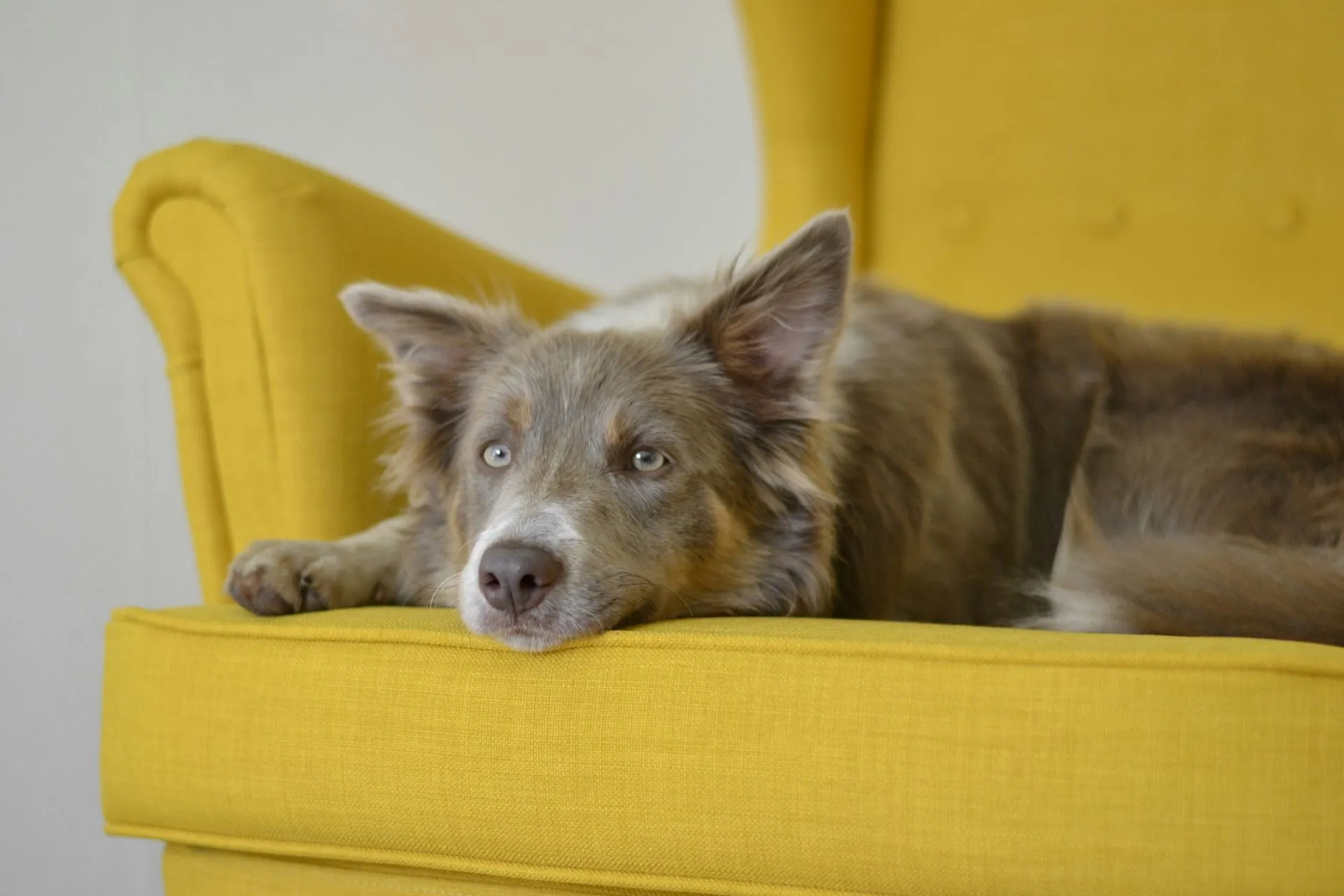
Hurricane Prep for Pets in Savannah: Stay Ready
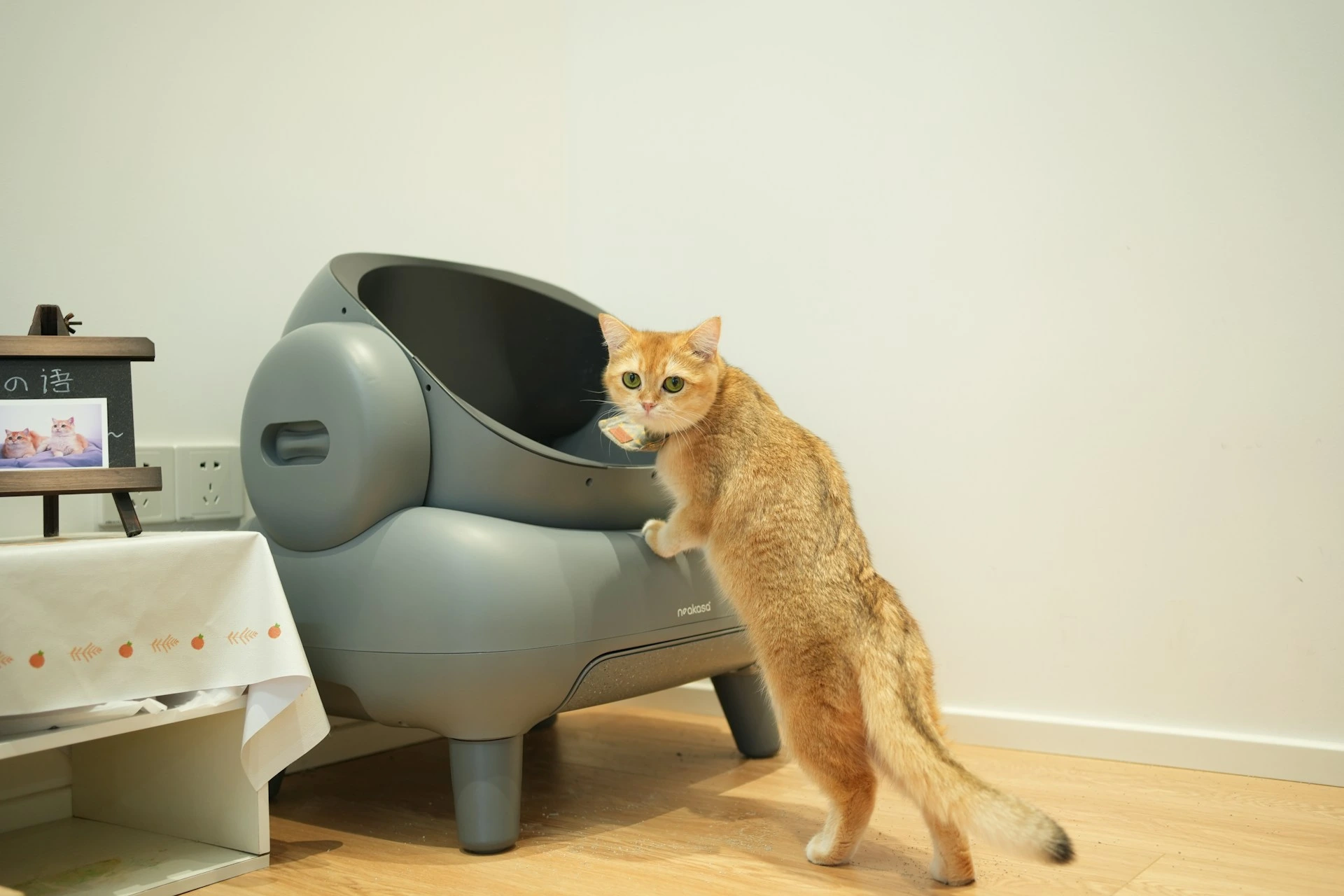
Cat Behavior Problems: Litter Box Issues Explained

Flea and Tick Prevention in Savannah’s Warm Climate
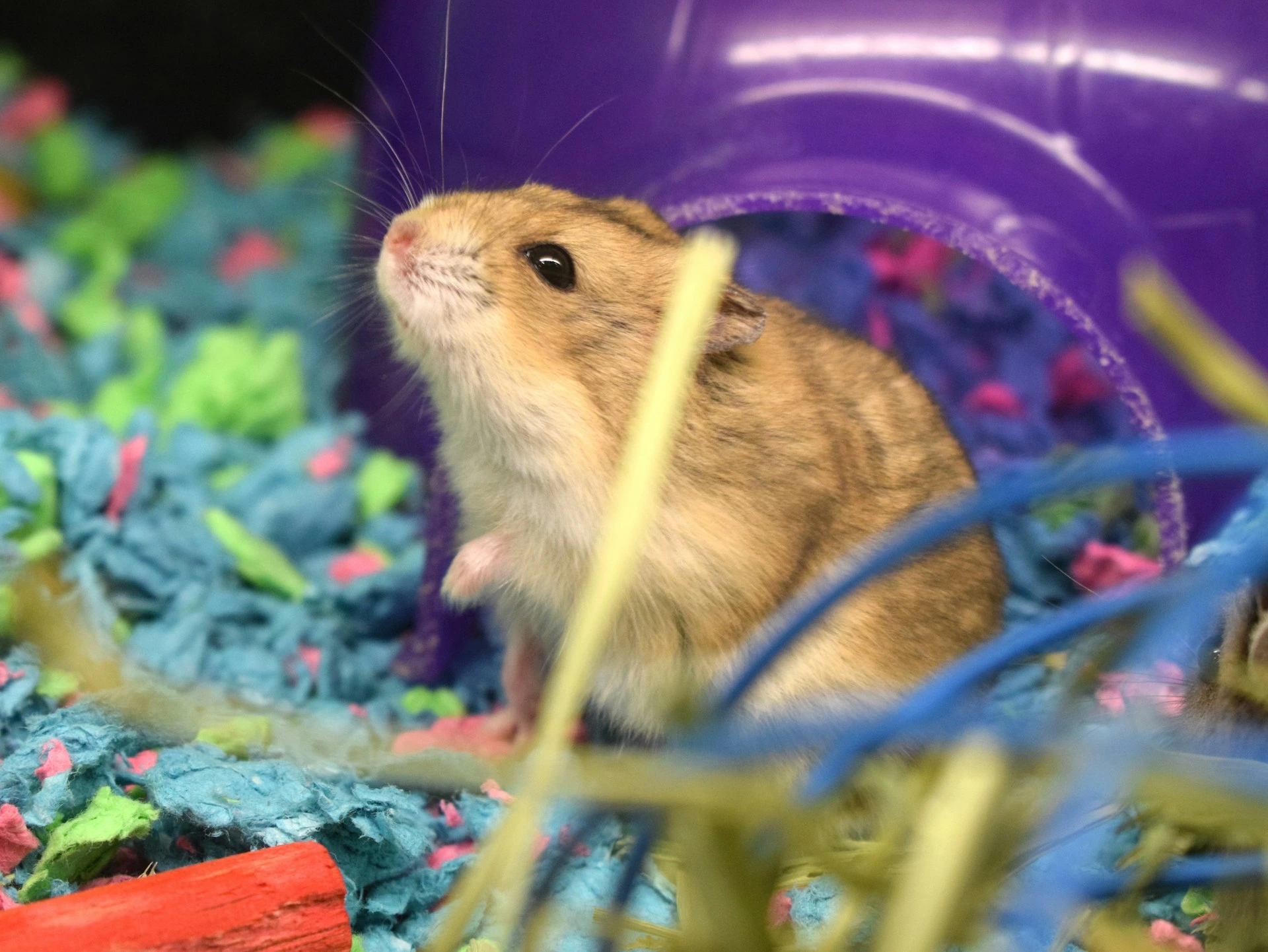
Gerbil Care 101: A Beginner’s Guide for Pet Owners
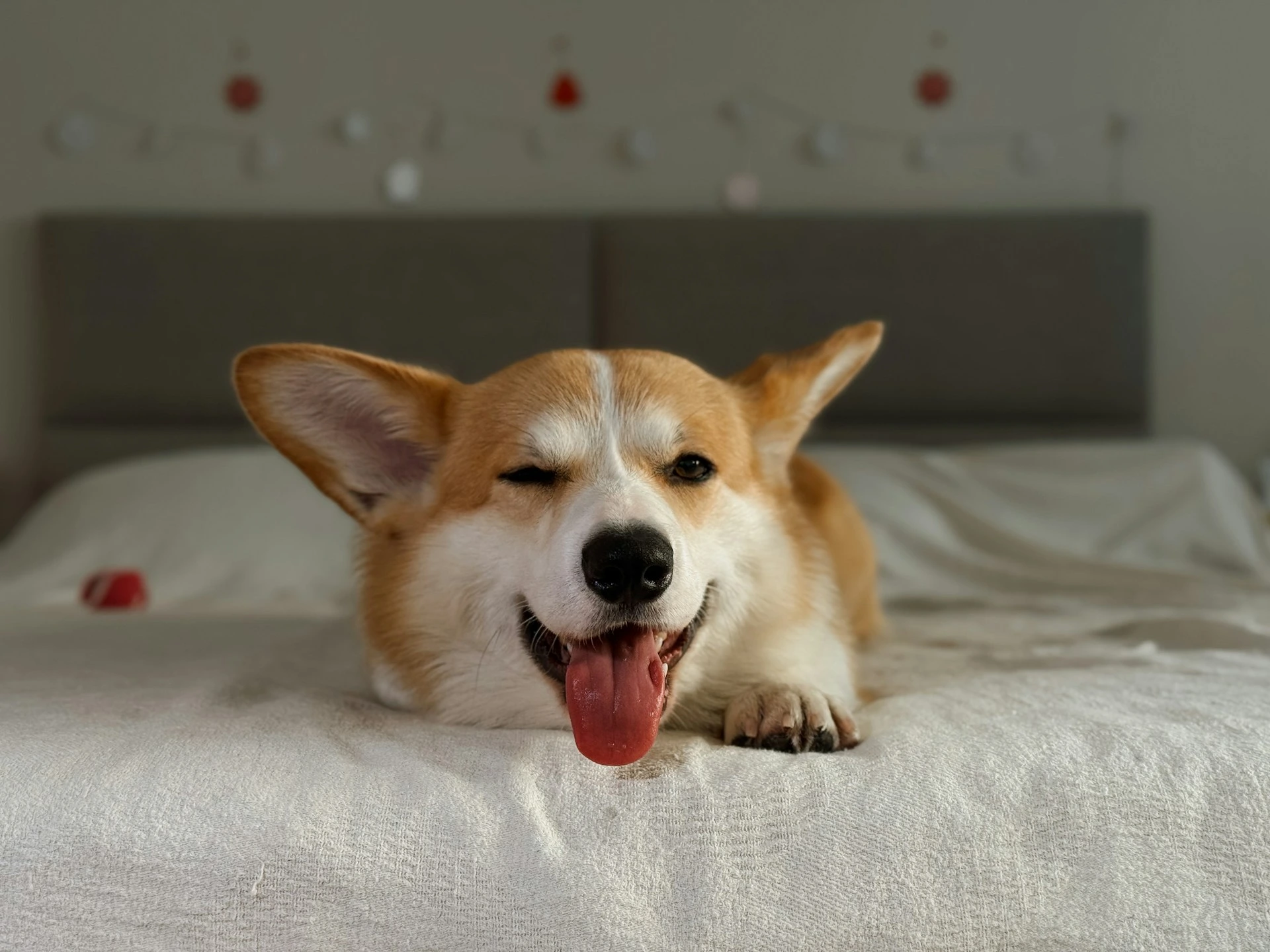
Destructive Dog Behavior: Causes and Prevention Tips
Guinea Pig Care Guide: Healthy Habits for Small Pets
Pool Safety for Dogs: Savannah Swimming Tips

Why Is My Cat Hiding? Behavior Changes Explained
Summer Pet Safety in Georgia: Heat Risks to Know